

Lee Bladon's Blog
Free Spiritual, Psychological & Anxiety Resources
Lee Bladon’s Blog
All Posts
TSOS Book
ATW Book
Spirituality
Psychology
Anxiety
Enneagram
Metaphysics

You Are the Key to Your Own Emotional Healing
No therapist, coach or healer can reach inside of you and fix your wounds. No one can do your emotional healing for you, because the very nature of emotional healing requires your active participation, your willingness, your courage, and your engagement with your own inner world.
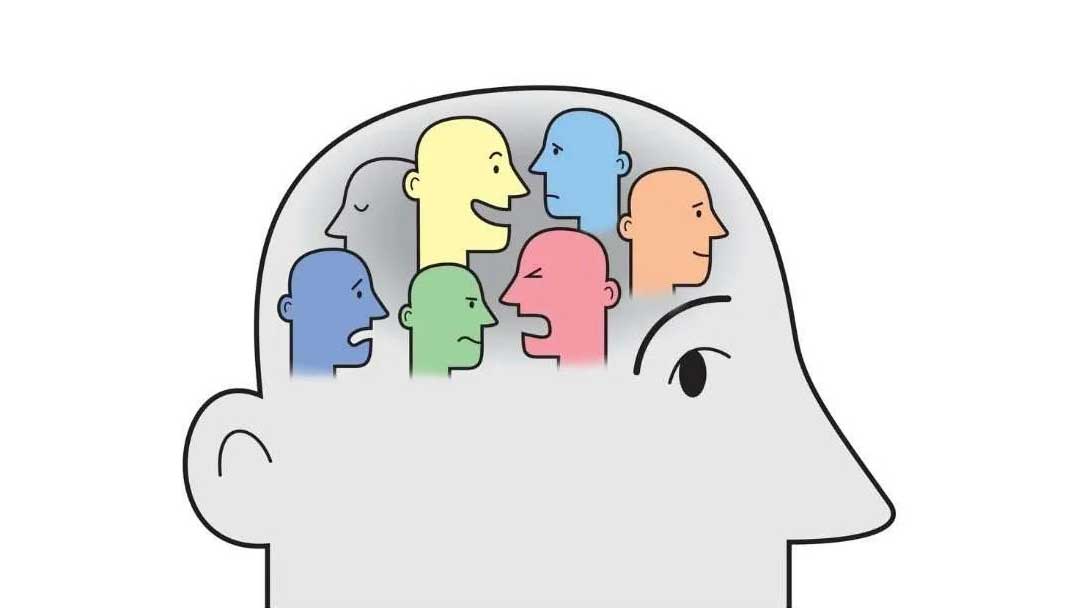
Internal Family Systems Therapy
Internal Family Systems therapy is a gentle, evidence-based approach to emotional healing that understands the mind is made up of different “parts,” each with its own feelings, beliefs and role. Rather than seeing inner conflict, anxiety or self-criticism as problems to be fixed, IFS views them as meaningful responses that developed to keep us safe.
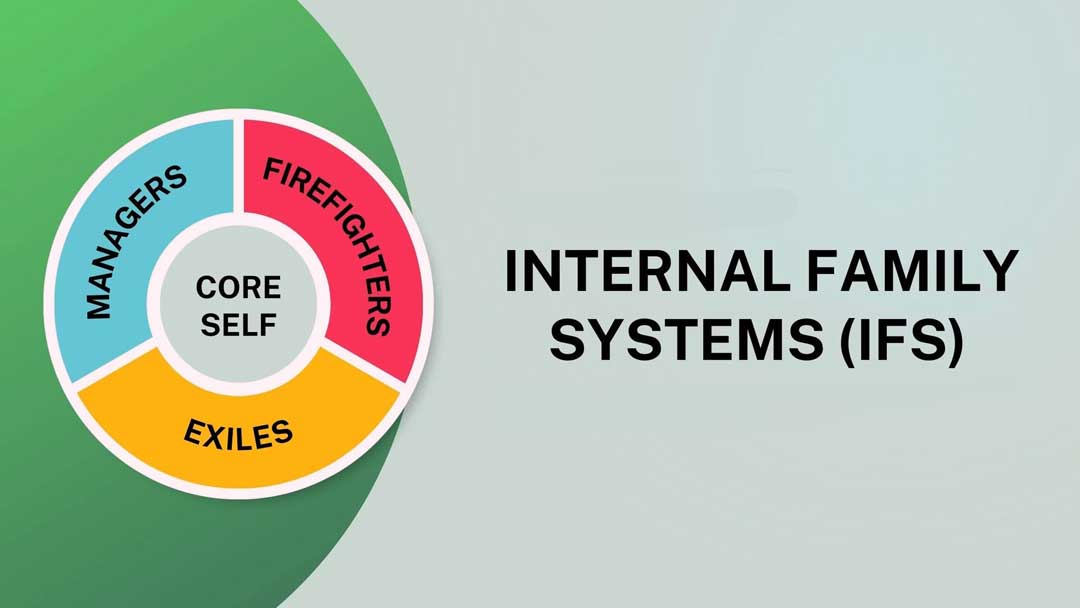
What is Internal Family Systems?
Internal Family Systems therapy was developed by Dr Richard Schwartz. What began as a curious observation – that his clients often spoke about different “parts” of themselves – evolved into a comprehensive therapeutic model that has helped thousands of people heal from trauma, anxiety, depression and relationship difficulties.

How to Discover Your Uniqueness: A Journey of Self Discovery
Spiritual coaching is based on a profound principle that we are one with the universe, yet we are also unique individuals. Our individual consciousness is a unique aspect of universal consciousness – like an individual wave on an ocean of consciousness.

Somatic Healing: Body-Based Emotional Healing
Somatic healing is based on the principle that trauma, stress and unprocessed emotions are stored within the body, which causesour nervous system to become dysregulated, anxious or disconnected. Somatic healing works directly with the body to release these stored experiences and restore balance to the nervous system.

What is Transpersonal Therapy?
If you’ve ever felt that conventional therapy doesn’t quite reach the deeper parts of your experience, or if you’re seeking something that honours both your psychological struggles and your spiritual nature, transpersonal therapy may offer the integrative approach you’ve been looking for.

Types of Anxiety Explained
Discover the main types of anxiety, including generalised anxiety, panic disorder, social anxiety, health anxiety, agoraphobia, separation anxiety, OCD and PTSD. Mapping your unique anxiety pattern provides some quick relief, but indentifying and resolving the underlying root cause of your anxiety provides the deep and lasting relief.

Therapy for Men: Breaking the Barriers to Emotional Wellbeing
For generations, men have been taught a simple but damaging message that emotions are a sign of weakness, e.g. “Man up”, “Boys don’t cry” and “Just get on with it.” Discover how therapy for men can change these stereotypical beliefs, why more men are seeking support, and how therapy creates lasting change.

The InCorr Method: Somatic Trauma Healing
Discover the InCorr Method (Interoceptive Core Reconsolidation), a gentle somatic (or body-based) psychotherapy developed by Shauna Quigley that unpacks and heals trauma at its core through interoceptive awareness and phenomenological psychology.

Transpersonal Coaching
Transpersonal coaching bridges the gap between conventional personal development and spiritual exploration, creating a space where practical life goals meet spiritual transformation. If you sense there’s a deeper purpose calling you beyond surface-level success, transpersonal coaching could be the missing piece you’ve been searching for?

Effective Anxiety Therapy: Healing The Root Cause
Anxiety isn’t just about your current circumstances. While stressful jobs, relationship challenges, or financial pressures might trigger your symptoms, the true source of anxiety often lies much deeper in childhood experiences that shaped how you see yourself and the world around you.

What Is Somatic Therapy? Body-Centred Healing
When we experience stress, trauma or emotional pain, our body remembers – even when our mind has moved on. Somatic therapy is a form of psychotherapy that recognises the profound connection between our bodily sensations and our psychological wellbeing. It offers a path to healing through embodied awareness (presence).
What Is Enlightenment And How To Attain It?
Enlightenment is the recognition of our true nature beyond our mind, personality and separate sense of self. It’s essentially a shift in our identity from our conceptual sense of self to a living field of presence and awareness.

Levels of Consciousness – And How to Raise Yours
Learn about the levels of consciousness from shame to spiritual unity, and how to raise your frequency through awareness, presence, healing and conscious living. It’s a guide to evolving beyond fear and into fulfilment.

What Is Nonduality And How To Experience It?
Nondual awareness is a higher/subtler level of consciousness that can perceive deeper into reality than regular awareness can. It can sense below the surface of reality to experience the underlying unity of everything.

32 Blocks to Spiritual Awakening (and How to Avoid Them)
Blocks to Spiritual Awakening: Here are 32 things that can block or slow your spiritual awakening, and you’re probably doing some of them without even realising. Spot them, shift them, and unlock deeper freedom on your awakening journey.
What Is Spiritual Awakening? 14 Signs & Symptoms
What is Spiritual Awakening? A spiritual awakening is the process of waking up from the illusion of separation and recognising your true nature as awareness, consciousness or soul. Over time, the volume increases until you can no longer ignore it.

The Nervous System in Healing and Awakening
Our nervous system is the bridge between our body, heart, mind and soul. It connects our past traumas to our present-moment experience, so it’s an essential component of all inner work – healing, growth and awakening.

The Wisdom of Acceptance: 4 Powerful Truths
From resistance to release, suppression to expression – these powerful truths offer a path to emotional freedom through the wisdom of acceptance. Learn emotional maturity and develop self-acceptance.

How to Feel Safe with Think Safe, Feel Safe
How to feel safe: This process integrates mindfulness and body awareness to create a holistic experience of safety. The mind-body connection is bidirectional, which means when the body feels safe, the mind feel safe, and vice versa.

REM Release: A Natural Emotional Release Technique
Emotional Release Technique: REM Release is a gentle, natural therapeutic process that helps dissolve emotional distress and trauma by combining mindful awareness with spontaneous eye movements, similar to those experienced during REM sleep.

Emotional Reactivity And How To Control It
Psychologist Tara Brach has developed a simple yet powerful mindfulness practice for emotional healing and self-compassion. It’s called RAIN, which is an acronym that stands for: Recognise, Allow, Investigate & Nurture.

HeartMath Heart Breathing: Restore Your Inner Balance
Heart Breathing is the foundational HeartMath technique, designed to calm your emotional state, reduce stress and increase inner resilience. It’s simple yet powerful, and only takes a few minutes. Learn to do it right now.

HeartMath: The Science of Inner Balance
HeartMath is a system of science-based techniques that are designed to improve emotional wellbeing by synchronising the mind, heart and body. HeartMath helps to build resilience, reduce stress and enhance mental clarity.

1a: The Problem With Evolution
If someone found a cell phone on the beach amongst the pebbles, they wouldn’t believe that the forces of nature had made it; they would assume that someone had dropped it there by accident. No one in their right mind would ever think that it formed naturally out of the metals and minerals that are naturally present within the Earth.
2a: Uniting Science and Spirituality
The universe is believed to have sprung into existence from a singularity. The singularity expanded to become the universe, so everything still remains a part of that singularity. With this interpretation, the paradoxes of non-locality and faster-than-light communication become meaningless because everything is connected and everything is one – a concept that is by no means new to spirituality.
2b: Uniting Medicine and Spirituality
Doctor Sam Parnia conducts research into near-death experiences (NDEs) at Southampton Hospital in England. In his book What Happens When We Die?, he describes evidence which seems to suggest that consciousness continues after the brain has stopped functioning and the patient is clinically dead.
3a: The Multidimensional Universe
The hidden dimensions and unseen realms make up a much larger proportion of the universe than the physical parts which are visible to us – physicists know this and call the unseen parts “dark matter” and “dark energy”. Conventional science has not yet theorised a plan of these higher dimensions so we must look to ancient knowledge and alternative science for the answers.
4a: The Creation of the Universe
The creation story in Genesis is not specific to Christianity because similar stories exist in almost every culture, which suggests that there must be some truth behind it. But at the time Genesis was written, the creation story was already very old and had become a part of folklore, so we must apply reason and not take every word literally.
5a: An Esoteric Theory of Everything
For decades, scientists have been trying to devise a single unified theory to explain all known physical phenomena, but a model that appears to unite the seemingly incompatible String Theory and Standard Model has existed for 100 years. It described baryons, mesons, quarks and preons over 50 years before conventional science.
6a: The Multidimensional Human
There is evidence to suggest that other worlds or dimensions exist just beyond the range of our normal perception, but we remain unaware of them because our minds are not objectively conscious of these higher planes. Our normal level of consciousness is restricted in some way, preventing us from tuning in to these subtler realms.
6b: The Constitution of Man
The Constitution of Man. The true-Self (monad or divine spark) operates and ascends through three triads – the personality, the soul and the spirit. The three triads can be compared to a ladder (Jacob’s ladder) which the monad climbs on the first stage of its evolutionary journey, from plane 1 to 7.
10a: Introduction to the Seven Planes
The Seven Planes are seven densities of reality or consciousness that become evermore subtle. (1) Physical-Etheric plane, (2) Emotional plane, (3) Mental-Causal plane, (4) Unity plane, (5) Spiritual plane, (6) Divine plane and (7) Monadic plane This article describes the subtle planes/worlds that surround the Earth.
12a: Esoteric Knowledge of Sleep
When we fall asleep the monad (self) detaches the consciousness thread from the physical-etheric brain and leaves the physical-etheric body, usually via the solar plexus or heart chakra, causing the physical body to become unconscious. The monad’s consciousness becomes whole (meta-conscious) when it is free from the body’s etheric web.
12b: Esoteric Knowledge of Dreams
This article describes the arrangement of the subtle bodies during dream sleep – the physical body sleeps but the etheric, emotional and mental bodies remain active. The events, emotions, thoughts, memories and lessons we learnt the previous day are all reviewed, reorganised and “backed-up” in our lesser causal body while we dream.
13a: A Brief Overview of Reincarnation
After each incarnation, the subtle bodies of our personality dissolve in sequence over the course of many years so the pathways to their memories are lost to us. New subtle bodies are formed for each new incarnation but they have no connection with our previous lives, so essentially we are a new persona in each lifetime.
14a: Out of Body Experiences
Every time we fall asleep we have an out-of-body experience, but it is not a conscious experience. When we fall asleep our monad (self), along with our emotional, mental and lesser causal bodies, leaves our physical-etheric body. Exactly the same thing occurs in a conscious out-of-body experience (COBE), except the exit point is different.
14b: Near Death Experiences
A near-death experience is a type of conscious out-of-body experience that occurs at a time of intense physical distress. The stages of a typical near-death experience (NDE) are listed in this article and explained from an esoteric perspective.
14c: Remote Viewing
Remote viewing is a mental faculty that allows a “viewer” to describe a remote location, known as a “target”, by acquiring information that is not available to the ordinary physical senses. Accomplished remote viewers can describe locations on the other side of the world that they have never visited and describe events that happened many years ago.
14d: Psychic Abilities Explained
Numerous scientific investigations have been made into the validity of human psychic abilities. Many have yielded statistical results that were a million to one against them happening by chance alone, and a few have been in the order of a billion to one, which is pretty conclusive proof.
14e: Clairvoyance Explained
Clairvoyance is the ability to objectively perceive the emotional (astral) world, or above. I use the word “ability” with slight reluctance because clairvoyance is usually the result of a damaged etheric web. So clairvoyance could technically be classed as a disability, albeit one that confers some very interesting “abilities”.
14f: Mediumship and Channeling Explained
The subtle bodies of a medium are more loosely connected together than they are in a regular person. This allows the subtle bodies to be easily disconnected and enables a non-physical entity to take temporary control of the medium’s entire physical-etheric body or a large portion of their etheric body.
16a: The Law of Destiny
The Law of Destiny determines which forces influence our life to ensure we encounter the life experiences that we require for our continued development of our consciousness. So, destiny is essentially a series of opportunities that enable us to learn lessons, acquire new abilities, develop our consciousness and help others.
16b: The Law of Karma
Karma is a Sanskrit word meaning “action”, but is generally understood to mean the consequences of one’s actions. The word “karma” is commonly used to indicate bad karma, and the word “merit” is used to indicate good karma. The law of karma is best described as “cause and effect” because every action (or cause) has a corresponding consequence (or effect).
16c: The Law of Attraction
The phrase “like attracts like” sums up the law of attraction. Our minds are like magnets that attract whatever we give our continued attention to. Everything that comes into our life is attracted by the thoughts and images we hold in our mind. Our thoughts influence our lives, so whatever we think about most may eventually manifest.
16d: The Meaning of Life
The meaning of life is the evolution of consciousness, but it is not just a phrase or a concept – it is a way of life. It means making the most of every opportunity that life provides us with to facilitate the development our consciousness, and this involves the self-activation of ever-higher kinds of consciousness.
17a: Spiritual Development
Consciousness develops by moving our awareness towards our soul or higher self. Freeing ourself from identification with our bodies is a particularly difficult and time-consuming aspect of our evolution. It can only be achieved by refusing to pay attention to the lowest impulses of our subtle bodies, i.e. negative feelings, emotions and thoughts.

A: True Self, False Self and the Ego
The Self is both a field of consciousness and a point of consciousness, which is the core of our being. The Self (or monad) is the centre of our field of awareness (or soul), and our field of awareness (or soul) is an extension of our Self. The Self has two primary functions: Directing our life (intelligent will) and Experiencing our life (intelligent awareness).
B: The Personality & Ego Formation
The degree of authentic personality that we are able to express is proportional to the number of ego structures we have, and the degree to which we are identified with them. Our true-nature shines out from the core of our being through our personality. If the personality is full of ego structures the light of our true-nature is blocked, so our expression is more likely to be inauthentic.
C: Ego Structures & Holes
There are two main types of ego structure, each of which requires a different approach to healing and reintegration: (1) Protective Structures are created to protect us from the distressed exiled parts of our being. (2) Coping Structures help us to function in the world without our authentic personal qualities.
D: Two-Fold Path of Awakening
Before we can permanently rediscover our true-Self, we need to neutralise the “inauthentic” charge of our false-self. This involves Becoming Self (he psychological aspect) and Being Self (the spiritual aspect of the path).
E: The Human Condition
A human being isn’t a single entity, but a composite of several distinct yet integrated components. Each is an independent consciousness that operates on its own plane of consciousness, yet they all work together as a unified whole.
F: Destiny, Free Will and Karma
how much free-will do we have if we live most of our life on autopilot? Will is not free if it is bound by the effects of our conditioned behaviours. Will is only free if we have sufficient conscious awareness to use it in a considered manner.
G: Presence and Pure Awareness
The ego is a mind-created “problem”, so it cannot be “solved” by the mind. We have to use a higher level of consciousness – the pure awareness of our soul. Presence is embodied pure awareness – a palpable feeling of fullness within the body.
H: Healing and Reintegration
Effective healing and reintegration requires the soul’s presence to intimately connect with the exile, hole or ego structure. Put simply, it requires taking the “healer” (the soul) to the “patient” (the exile, hole or ego structure).
I: An Introduction to Meditation
Meditation is often used for stress relief and relaxation – to relieve the symptoms of an ego-driven life, but it was originally intended to be a way of dis-identifying with the ego-self and developing a deeper connection with our true-Self.
J: How To Meditate
This article covers meditation posture, difficulties and distractions, the two main types of meditation, and it finishes by guiding you through a simple meditation practice. It’s not difficult – in fact it’s the simplest thing to sit in pure awareness.
K: Self Realisation & Nonduality
Most people are suffering from mistaken identity. The self-we-think-we-are was created by our mind, so it cannot awaken because it’s not ontologically real. We have to awaken from that false-self in order to awaken and realise our true-Self.
L: After Enlightenment
Life after enlightenment is completely different to, yet exactly the same as, life before enlightenment. The still, silent backgroud awareness becomes the foreground, and the objects of experience fade into the background.
How to Discover Your Uniqueness: A Journey of Self Discovery
Spiritual coaching is based on a profound principle that we are one with the universe, yet we are also unique individuals. Our individual consciousness is a unique aspect of universal consciousness – like an individual wave on an ocean of consciousness.
What is Transpersonal Therapy?
If you’ve ever felt that conventional therapy doesn’t quite reach the deeper parts of your experience, or if you’re seeking something that honours both your psychological struggles and your spiritual nature, transpersonal therapy may offer the integrative approach you’ve been looking for.
Transpersonal Coaching
Transpersonal coaching bridges the gap between conventional personal development and spiritual exploration, creating a space where practical life goals meet spiritual transformation. If you sense there’s a deeper purpose calling you beyond surface-level success, transpersonal coaching could be the missing piece you’ve been searching for?
What Is Enlightenment And How To Attain It?
Enlightenment is the recognition of our true nature beyond our mind, personality and separate sense of self. It’s essentially a shift in our identity from our conceptual sense of self to a living field of presence and awareness.
Levels of Consciousness – And How to Raise Yours
Learn about the levels of consciousness from shame to spiritual unity, and how to raise your frequency through awareness, presence, healing and conscious living. It’s a guide to evolving beyond fear and into fulfilment.
What Is Nonduality And How To Experience It?
Nondual awareness is a higher/subtler level of consciousness that can perceive deeper into reality than regular awareness can. It can sense below the surface of reality to experience the underlying unity of everything.
32 Blocks to Spiritual Awakening (and How to Avoid Them)
Blocks to Spiritual Awakening: Here are 32 things that can block or slow your spiritual awakening, and you’re probably doing some of them without even realising. Spot them, shift them, and unlock deeper freedom on your awakening journey.
What Is Spiritual Awakening? 14 Signs & Symptoms
What is Spiritual Awakening? A spiritual awakening is the process of waking up from the illusion of separation and recognising your true nature as awareness, consciousness or soul. Over time, the volume increases until you can no longer ignore it.
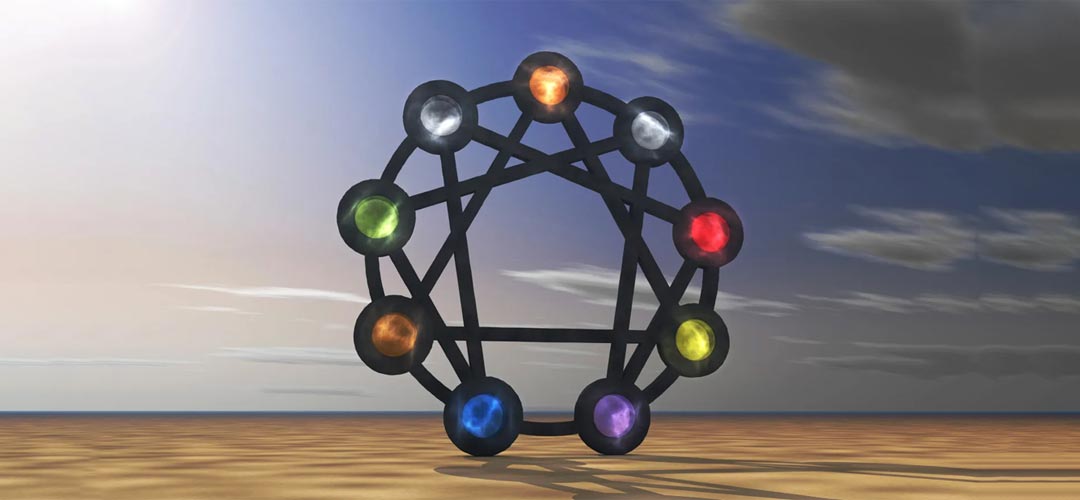
Using The Enneagram For Spiritual Growth
Discover how to harness the wisdom of the Enneagram for spiritual growth and awakening. This practical guide invites you to approach your enneatype’s patterns with kindness and curiosity – notice them, accept them, allow them to soften, and your essence will gradually reveal itself.
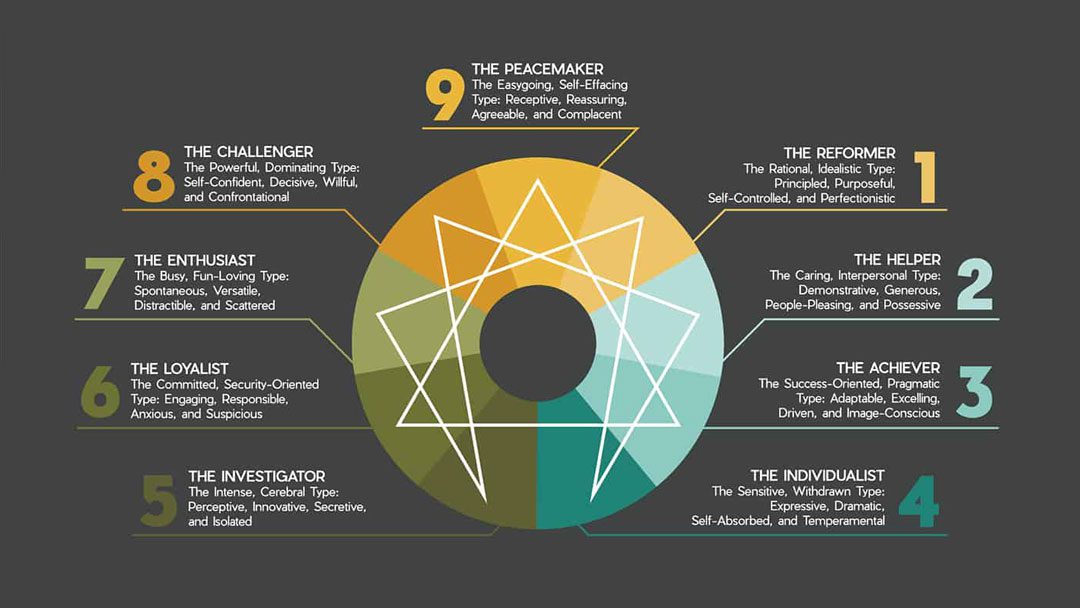
The Enneagram and Spiritual Awakening
The Enneagram and Spiritual Awakening: The Enneagram is a powerful tool for self-discovery and spiritual growth. Its true potential is in helping us to understand the factors that keep us stuck in limitation and disconnected from our true nature.

Holistic Wellbeing
Holistic Wellbeing is about bringing every aspect of your “being” back into equilibrium, and restoring balance to every area of your life – physical, energetic, social, emotional, creative expression, mental and spiritual.
When balance is acheived, you naturally experience greater flow, vitality, clarity and inner peace.

The False Self (who I am not)
Unless we are enlightened or self-realised, we we have lost touch with “who we truly are”, and we live from a mentally-created false self or ego-self. Our belief that we are our ego-self makes us feel separate and insecure – cut off from the unity and oneness.

Who Am I? What Am I?
A Human Being is comprised of a Self, a Soul and a Personality. Our Self (divine spark) is the transpersonal element of our being; our mind, heart and body are the personal elements; and our soul is the field of experiential awareness and unique blend of “essential qualities” that integrates them all.

The Inner Journey
The Inner Journey requires us to discover “who we are not” (and disidentify from that) before we can truly discover “who we are”. We must allow our consciousness to unfold naturally through living consciously (being), and by proactively working with that natural process (becoming).
What is Self Inquiry?
Self-inquiry, like Focusing, begins with the body (or soul) as the reference point, but it goes deeper – beyond the psychological and into the spiritual. Every blockage, structure or “part” is actually a doorway to our essential nature and spiritual realms of consciousness.
You Are the Key to Your Own Emotional Healing
No therapist, coach or healer can reach inside of you and fix your wounds. No one can do your emotional healing for you, because the very nature of emotional healing requires your active participation, your willingness, your courage, and your engagement with your own inner world.
Internal Family Systems Therapy
Internal Family Systems therapy is a gentle, evidence-based approach to emotional healing that understands the mind is made up of different “parts,” each with its own feelings, beliefs and role. Rather than seeing inner conflict, anxiety or self-criticism as problems to be fixed, IFS views them as meaningful responses that developed to keep us safe.
What is Internal Family Systems?
Internal Family Systems therapy was developed by Dr Richard Schwartz. What began as a curious observation – that his clients often spoke about different “parts” of themselves – evolved into a comprehensive therapeutic model that has helped thousands of people heal from trauma, anxiety, depression and relationship difficulties.
Somatic Healing: Body-Based Emotional Healing
Somatic healing is based on the principle that trauma, stress and unprocessed emotions are stored within the body, which causesour nervous system to become dysregulated, anxious or disconnected. Somatic healing works directly with the body to release these stored experiences and restore balance to the nervous system.
Therapy for Men: Breaking the Barriers to Emotional Wellbeing
For generations, men have been taught a simple but damaging message that emotions are a sign of weakness, e.g. “Man up”, “Boys don’t cry” and “Just get on with it.” Discover how therapy for men can change these stereotypical beliefs, why more men are seeking support, and how therapy creates lasting change.
The InCorr Method: Somatic Trauma Healing
Discover the InCorr Method (Interoceptive Core Reconsolidation), a gentle somatic (or body-based) psychotherapy developed by Shauna Quigley that unpacks and heals trauma at its core through interoceptive awareness and phenomenological psychology.
What Is Somatic Therapy? Body-Centred Healing
When we experience stress, trauma or emotional pain, our body remembers – even when our mind has moved on. Somatic therapy is a form of psychotherapy that recognises the profound connection between our bodily sensations and our psychological wellbeing. It offers a path to healing through embodied awareness (presence).
The Nervous System in Healing and Awakening
Our nervous system is the bridge between our body, heart, mind and soul. It connects our past traumas to our present-moment experience, so it’s an essential component of all inner work – healing, growth and awakening.
The Wisdom of Acceptance: 4 Powerful Truths
From resistance to release, suppression to expression – these powerful truths offer a path to emotional freedom through the wisdom of acceptance. Learn emotional maturity and develop self-acceptance.
How to Feel Safe with Think Safe, Feel Safe
How to feel safe: This process integrates mindfulness and body awareness to create a holistic experience of safety. The mind-body connection is bidirectional, which means when the body feels safe, the mind feel safe, and vice versa.
REM Release: A Natural Emotional Release Technique
Emotional Release Technique: REM Release is a gentle, natural therapeutic process that helps dissolve emotional distress and trauma by combining mindful awareness with spontaneous eye movements, similar to those experienced during REM sleep.
Emotional Reactivity And How To Control It
Psychologist Tara Brach has developed a simple yet powerful mindfulness practice for emotional healing and self-compassion. It’s called RAIN, which is an acronym that stands for: Recognise, Allow, Investigate & Nurture.
HeartMath Heart Breathing: Restore Your Inner Balance
Heart Breathing is the foundational HeartMath technique, designed to calm your emotional state, reduce stress and increase inner resilience. It’s simple yet powerful, and only takes a few minutes. Learn to do it right now.
HeartMath: The Science of Inner Balance
HeartMath is a system of science-based techniques that are designed to improve emotional wellbeing by synchronising the mind, heart and body. HeartMath helps to build resilience, reduce stress and enhance mental clarity.

How To Stop Taking Things Personally
Emotions are the most polarised aspect of our being; i.e. they carry the most charge. So the more emotion we experience the more difficult it is to remain objective. The more emotion that accompanies an experience the more we identify with it, and the more we take it personally.

The Truth About Wanting
Wanting is a big cause of suffering. When we tell ourselves “I’ll be happy when I get what I want”, we are telling ourselves that we can’t be happy or contented until we get what we want. But even if we get what we want, it won’t satisfy us for long, and we’ll soon want something else.
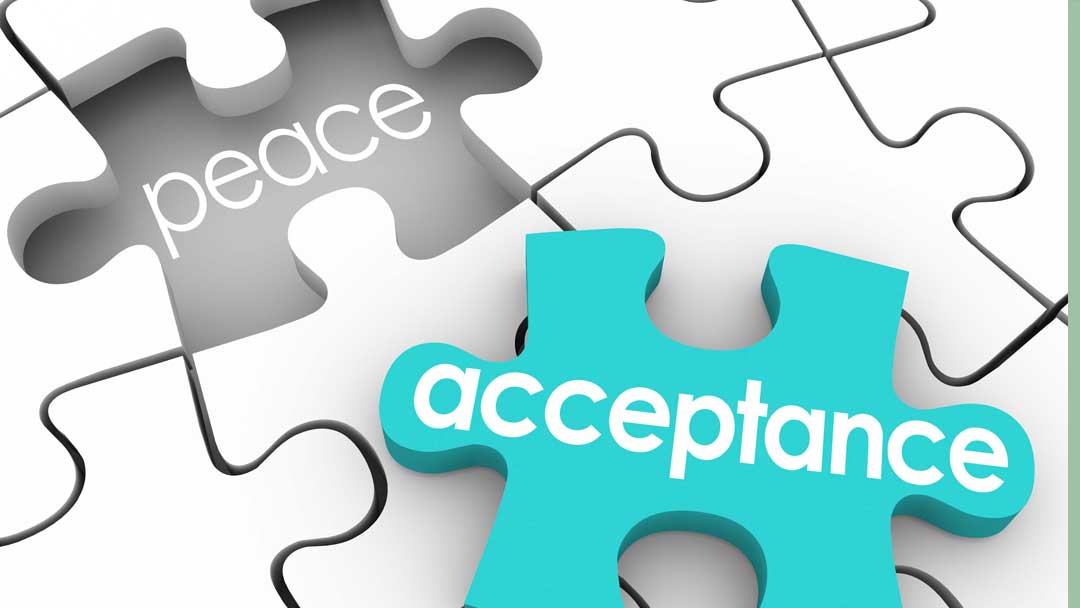
Radical Acceptance
Radical acceptance means learning to accept what you cannot change, and change what you cannot accept. It involves fully experiencing ‘what is’ without any resistance, judgement or agenda. When we are fully experiencing “what is” without any resistance, we are fully present.

False Beliefs
We all have a primary belief that shapes our fundamental approach to life, and a collection of core beliefs that influence our different strategies for life. Discovering these false beliefs is the key to liberating ourselves from the ego’s narcissistic, controlling and fear-based strategies.
Holistic Wellbeing
Holistic Wellbeing is about bringing every aspect of your “being” back into equilibrium, and restoring balance to every area of your life – physical, energetic, social, emotional, creative expression, mental and spiritual.
When balance is acheived, you naturally experience greater flow, vitality, clarity and inner peace.
The False Self (who I am not)
Unless we are enlightened or self-realised, we we have lost touch with “who we truly are”, and we live from a mentally-created false self or ego-self. Our belief that we are our ego-self makes us feel separate and insecure – cut off from the unity and oneness.
Who Am I? What Am I?
A Human Being is comprised of a Self, a Soul and a Personality. Our Self (divine spark) is the transpersonal element of our being; our mind, heart and body are the personal elements; and our soul is the field of experiential awareness and unique blend of “essential qualities” that integrates them all.

What Blocks Happiness
Authentic happiness is blocked by a (false) belief that life is not how it should be; i.e. how we want it to be. This unfulfilled false belief gives rise to negative emotions, which make us feel uncomfortable. The ego equates the discomfort with unhappiness, which it tries to alleviate by seeking happiness elsewhere.

The Key to Happiness
We are all looking for happiness in different places, but the places all have one thing in common – they are outside of ourselves. And that’s the issue, because when we look outside of ourselves, our level of happiness goes up and down like a roller-coaster in response to external events.
The Inner Journey
The Inner Journey requires us to discover “who we are not” (and disidentify from that) before we can truly discover “who we are”. We must allow our consciousness to unfold naturally through living consciously (being), and by proactively working with that natural process (becoming).
HeartMath Heart Breathing: Restore Your Inner Balance
Heart Breathing is the foundational HeartMath technique, designed to calm your emotional state, reduce stress and increase inner resilience. It’s simple yet powerful, and only takes a few minutes. Learn to do it right now.
How to Feel Safe with Think Safe, Feel Safe
How to feel safe: This process integrates mindfulness and body awareness to create a holistic experience of safety. The mind-body connection is bidirectional, which means when the body feels safe, the mind feel safe, and vice versa.
What Is Somatic Therapy? Body-Centred Healing
When we experience stress, trauma or emotional pain, our body remembers – even when our mind has moved on. Somatic therapy is a form of psychotherapy that recognises the profound connection between our bodily sensations and our psychological wellbeing. It offers a path to healing through embodied awareness (presence).
Effective Anxiety Therapy: Healing The Root Cause
Anxiety isn’t just about your current circumstances. While stressful jobs, relationship challenges, or financial pressures might trigger your symptoms, the true source of anxiety often lies much deeper in childhood experiences that shaped how you see yourself and the world around you.
The InCorr Method: Somatic Trauma Healing
Discover the InCorr Method (Interoceptive Core Reconsolidation), a gentle somatic (or body-based) psychotherapy developed by Shauna Quigley that unpacks and heals trauma at its core through interoceptive awareness and phenomenological psychology.
Types of Anxiety Explained
Discover the main types of anxiety, including generalised anxiety, panic disorder, social anxiety, health anxiety, agoraphobia, separation anxiety, OCD and PTSD. Mapping your unique anxiety pattern provides some quick relief, but indentifying and resolving the underlying root cause of your anxiety provides the deep and lasting relief.
What is Internal Family Systems?
Internal Family Systems therapy was developed by Dr Richard Schwartz. What began as a curious observation – that his clients often spoke about different “parts” of themselves – evolved into a comprehensive therapeutic model that has helped thousands of people heal from trauma, anxiety, depression and relationship difficulties.
Internal Family Systems Therapy
Internal Family Systems therapy is a gentle, evidence-based approach to emotional healing that understands the mind is made up of different “parts,” each with its own feelings, beliefs and role. Rather than seeing inner conflict, anxiety or self-criticism as problems to be fixed, IFS views them as meaningful responses that developed to keep us safe.
You Are the Key to Your Own Emotional Healing
No therapist, coach or healer can reach inside of you and fix your wounds. No one can do your emotional healing for you, because the very nature of emotional healing requires your active participation, your willingness, your courage, and your engagement with your own inner world.

An Introduction To The Enneagram
The Enneagram is a system that categorises human personalities into nine distinct types, each with its own set of core beliefs, deficient feelings, fears, motivations and behaviours. The enneagram can be used for personal development, spiritual growth and improving your relationships.

The 9 Enneagram Types – Discover Your Enneagram Type
Discover your Enneatype (enneagram type) with this simple guide. Learn the core traits, motivations and challenges of each of the nine enneatypes to better understand yourself and others, and begin your journey of growth, healing, self-discovery and awakening.
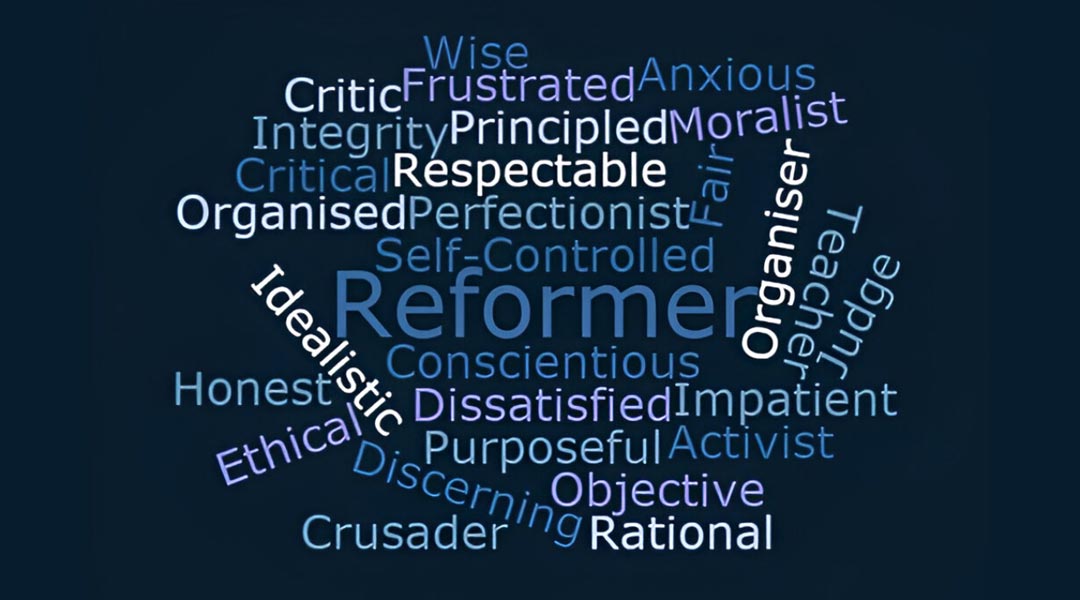
Enneagram Type 1 (Enneatype 1)
Ones attempt to embody the qualities of perfection, purity and completeness, and impose them on others. This gives Ones a very clear sense of (what they consider to be) right and wrong, and they believe that the world would be a better place if everybody lived by their standards.

Enneagram Type 2 (Enneatype 2)
Twos are very loving and sensitive to other people’s emotional needs, but it is a case of giving in order to receive. They don’t like to ask for affection or attention because they expect others to be like them and sense when it is needed. They can be perceived as being clingy, needy and sentimental.
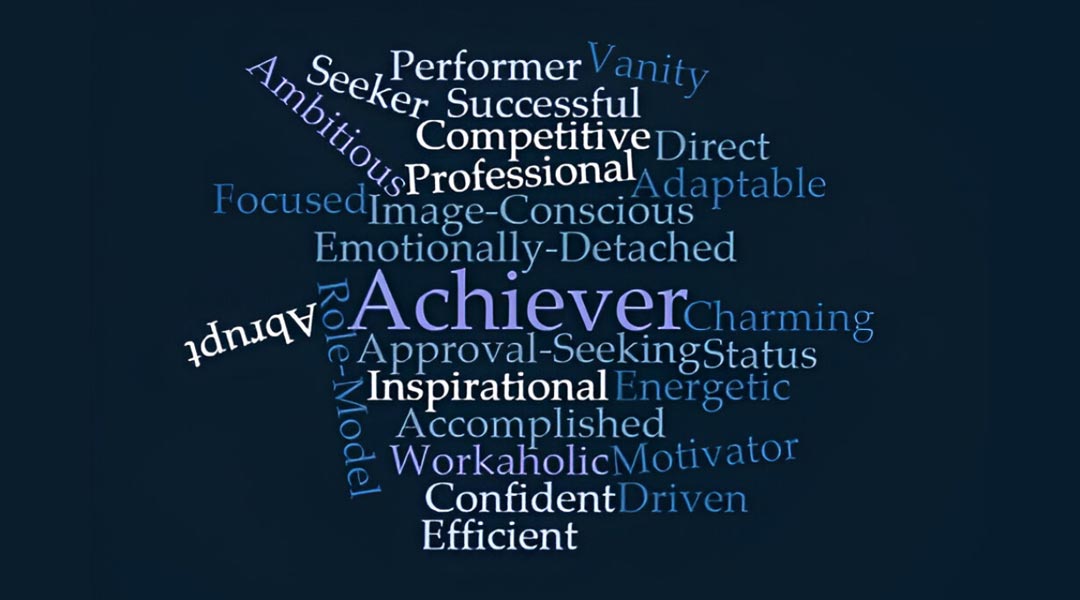
Enneagram Type 3 (Enneatype 3)
Threes are driven to achieve their full potential, but their attempts to emulate completeness and perfection are distorted into achieving and vanity. Their desire for approval drives them to continually strive to achieve a self-image that matches (what they believe is) society’s idealised image.
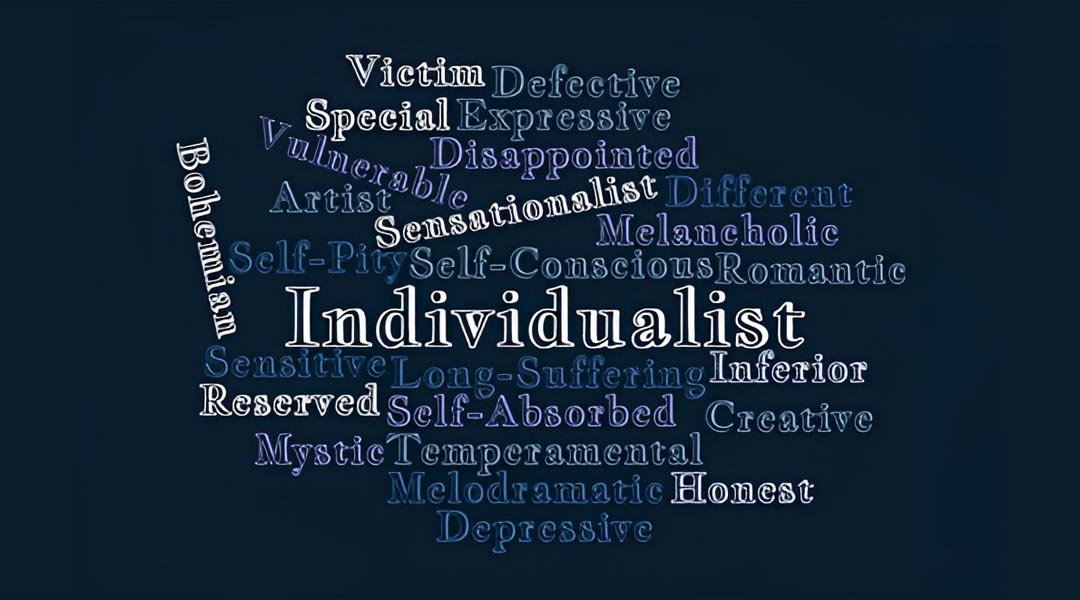
Enneagram Type 4 (Enneatype 4)
Fours lack their true sense of “beingness”, so they try to emulate it by being seen as individual, original and authentic. Their disconnect from true “being” means that Fours often feel isolated, lonely and disconnected from others, and are highly sensitive to abandonment and neglect.

Enneagram Type 5 (Enneatype 5)
Fives believe that they need to understand life in order to make sense of it, so they observe life from a distance and mentally analyse everything. Fives like the solitude of their mental bubble because it protects them from direct engagement with the real-world, which they fear.

Enneagram Type 6 (Enneatype 6)
Sixes doubt their ability to protect themselves or make the right decisions. They are plagued by insecurity, fear, anxiety, suspicion, indecisiveness and self-doubt. They believe that all of these issues will be resolved if they have the support of someone who will give them confidence and dispel their doubt.

Enneagram Type 7 (Enneatype 7)
Sevens want to experience positive feelings so they are always looking for things to get excited about, and they always appear optimistic and enthusiastic to keep up the (often subconscious) façade. They lack the trust that life can be naturally joyous so they often plan their activities well in advance.

Enneagram Type 8 (Enneatype 8)
Eights believe that strength is the answer to all of life’s problems, so they assert themselves over others to try to maintain control over their environment. They have little tolerance for “weakness” in themselves or others, so they have difficulty being receptive, vulnerable or showing their softer side.
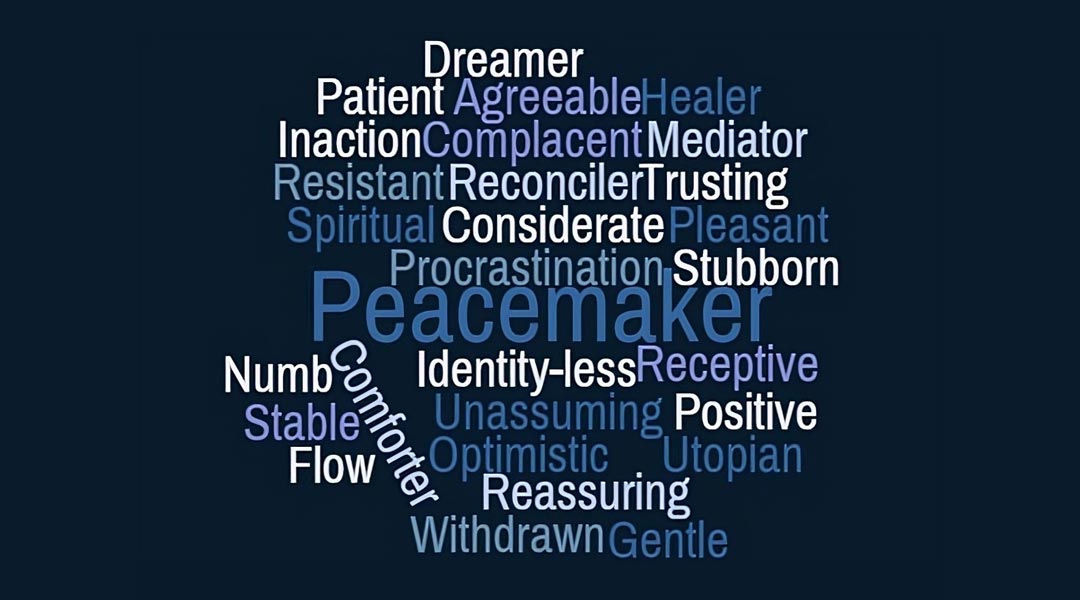
Enneagram Type 9 (Enneatype 9)
Nines feel that they lack an intimate connection with the universe, so they yearn to be included, noticed, loved and appreciated in their everyday lives. Their strategy for achieving this is to be supportive and loving to others, and to never do anything that might cause them to be rejected.
The Enneagram and Spiritual Awakening
The Enneagram and Spiritual Awakening: The Enneagram is a powerful tool for self-discovery and spiritual growth. Its true potential is in helping us to understand the factors that keep us stuck in limitation and disconnected from our true nature.
Using The Enneagram For Spiritual Growth
Discover how to harness the wisdom of the Enneagram for spiritual growth and awakening. This practical guide invites you to approach your enneatype’s patterns with kindness and curiosity – notice them, accept them, allow them to soften, and your essence will gradually reveal itself.

The Toroidal Universe
Most scientists believe that space is ‘flat’, unless it is being ‘curved’ by the presence of matter (which results in gravity). This article proposes that the universe only appears to be expanding because space-time dynamically flows with the geometry of a torus.
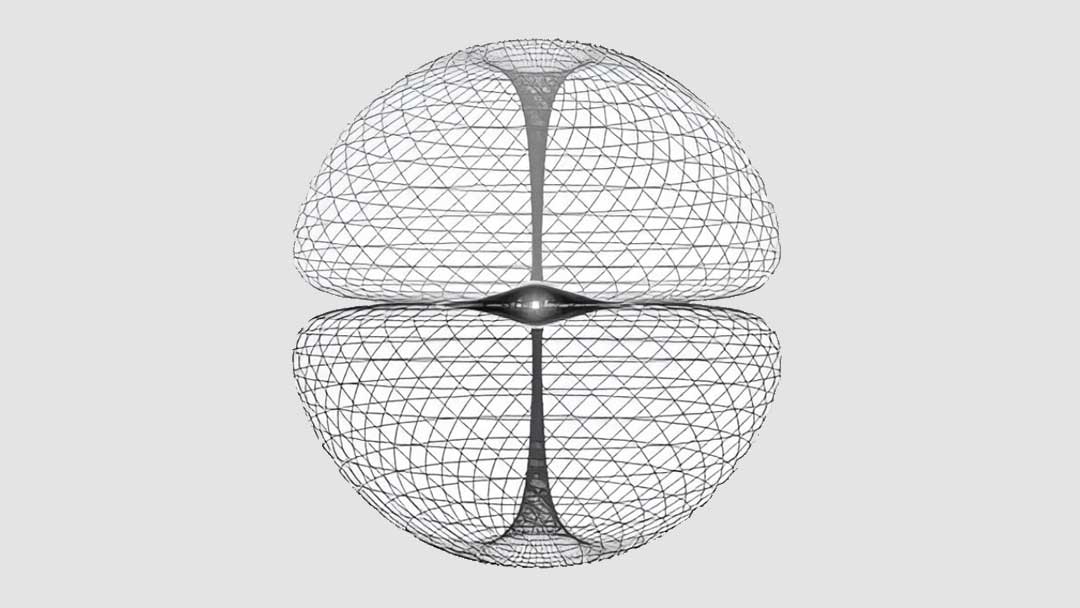
Dual Torus Galactic Geometry
There is a general consensus in physics that the rotation of galaxies can only be explained by the presence of highly elusive “dark matter”. This article proposes that galactic rotation is dynamically driven by the geometry of space-time which, in the case of most galaxies, is shaped like a dual-torus.

The Two Sides of Reality
The Planck length and Planck time are literally the end of our space-time reality, because they don’t exist beyond these physical limits. So what does exist beyond these ultra-small scales of reality? An intangible “implicate order” of reality that is energetic and informational, just like computer code.

Quantum Pixels
Physical reality is a highly-immersive projection from a higher-dimensional “implicate” order of reality, which emerges through a holistic network of quantum-sized toroidal pixels, all spinning and pulsating to quantum time. So our so-called “reality” is actually more virtual reality than actual reality!

Multidimensional Reality
The physical universe that we observe and experience is just a very narrow band of the totality of reality. The universe is a multidimensional totality that spans at least seven orders or “planes” of reality, all of which are largely imperceptible to us, except for the physical.

Quantum Mechanics and Consciousness
We all assume that we are observing an objective reality, but we are actually observing our own subjective version of reality. For a century, quantum mechanics has been trying to wake us up to the truth that reality isn’t objectively real, but very few were willing to see it.

Relativity and Consciousness
If space-time reality was fundamental and objective, the speed of light would be relative to the objective background of space, but it isn’t. The speed of light is relative to the observer, which means reality is subjective and the observer’s consciousness is more fundamental than space-time reality.

A New Model of Reality
The reality we see is a simplified representation of the underlying informational reality. So we aren’t actually perceiving an objective reality – we are rendering reality as we experience it. This new model of reality also scientifically proves the existence of universal consciousness (God).
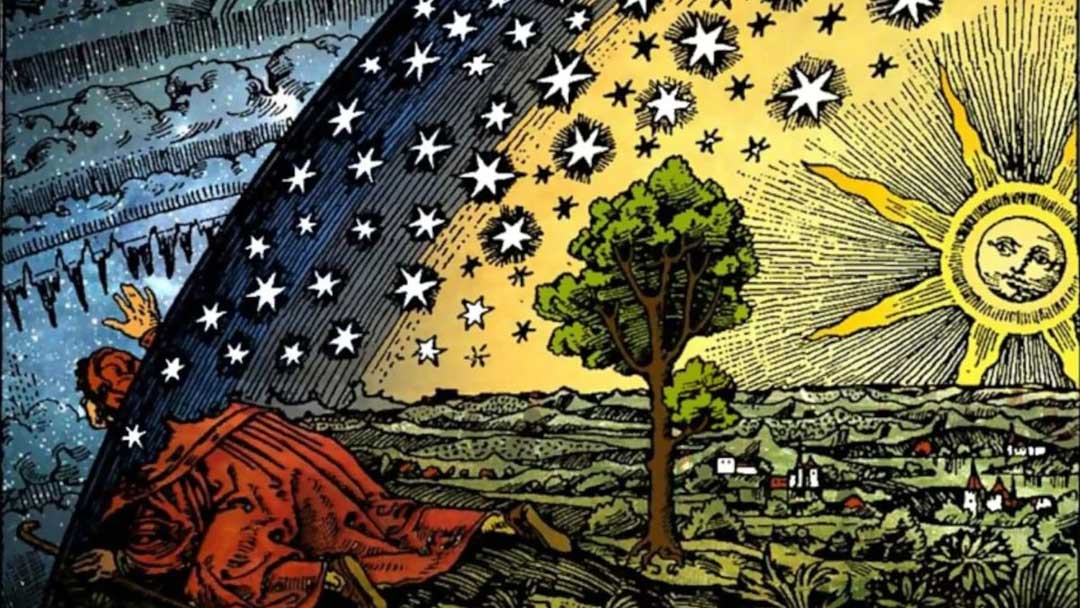
From Physics to Metaphysics
In the 1920s, there was a great renaissance in physics, when relativity and quantum mechanics were first discovered. The 2020s is seeing another great shift as materialism and determinism are gradually purged from the mainstream scientific mindset, which will allow physics to evolve into metaphysics.

The Virtual Universe: How Consciousness Creates Reality
What if reality isn’t objectively “out there”, but is rendered by our consciousness, much like a video game world is rendered onto a computer screen or a virtual reality headset? In this model, consciousness is primary.