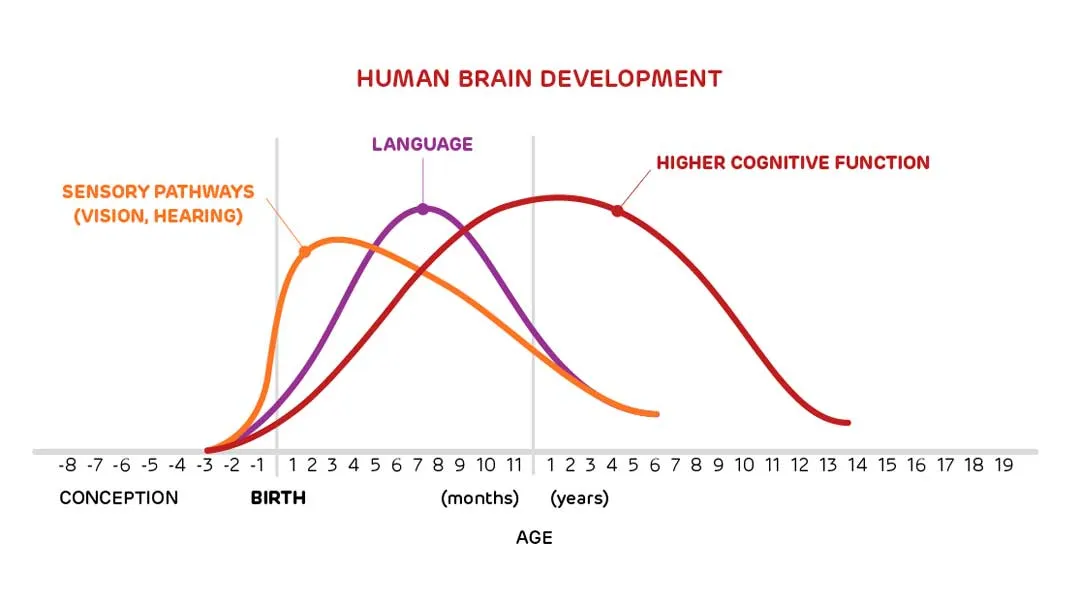
This article looks at what neuroscience and developmental psychology tell us about human cognitive development, why the most formative experiences of our lives occur before we have any capacity to process them verbally or cognitively, and why that matters profoundly for how we approach healing.
Psychology
A Complete Guide to Personal and Spiritual Transformation
This guide is for people who are ready for personal and spiritual transformation. It covers what transformation actually is and how it differs from self-improvement; the conditions that catalyse it; the inner structures that needs to change; the stages of the journey; the practices that support it; and the obstacles that commonly arise.
Body-Based Healing: Releasing Stored Emotions
Body-based healing is any therapeutic approach that works with the body as the primary locus for healing, rather than seeing it as a passive container for a mind. These approaches recognise that the mind and body are actually one integrated system, and healing that doesn’t include the body is healing that hasn’t yet gone deep enough.
What Is Consciousness? Your Guide to the Nature of Reality
Consciousness is the most intimate thing in our experience, yet science strggles to explain it. Explore the deep questions about consciousness and reality in this complete guide. Discover what consciousness actually is, how it shapes your experience, and what science and spirituality say about the nature of existence.
Somatic Exercises for Regulation, Interoception & Embodiment
Somatic exercises are slow, mindful movements that work directly with the nervous system, rather than the muscles alone. The word “somatic” means the living body as experienced from within. These practices help to restore the mind-heart-body connection that chronic stress, trauma and emotional resistance patterns quietly erode over time.
7 Practical Inner Child Healing Techniques
Inner child healing doesn’t have to feel abstract or overwhelming. There are concrete, accessible techniques that you can begin using right now – whether you’re working with a therapist or starting on your own. The information in this blog post draws on evidence-based approaches to give you seven practical techniques.