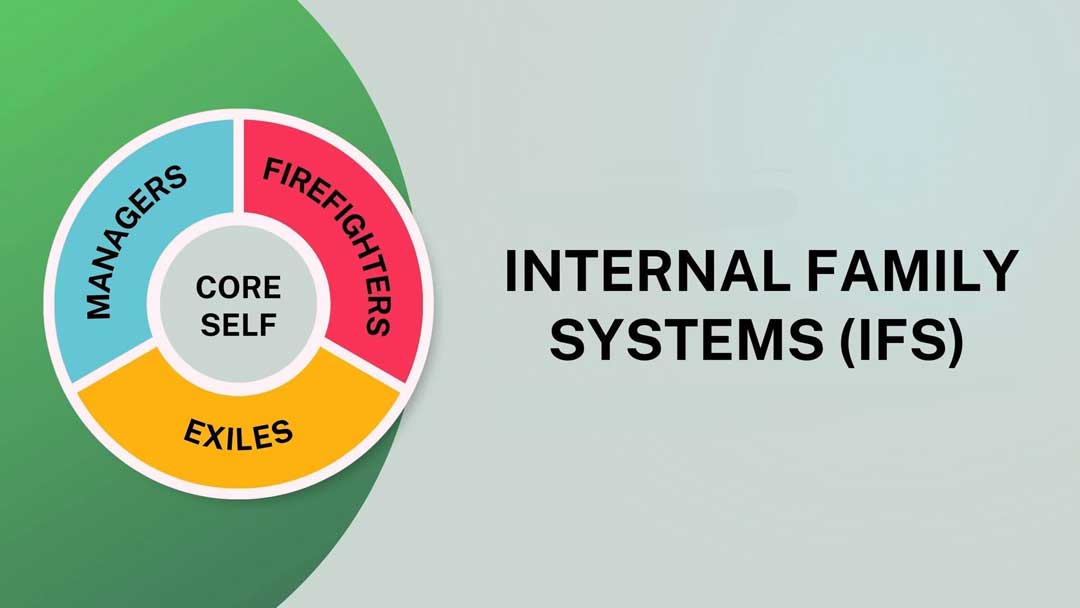
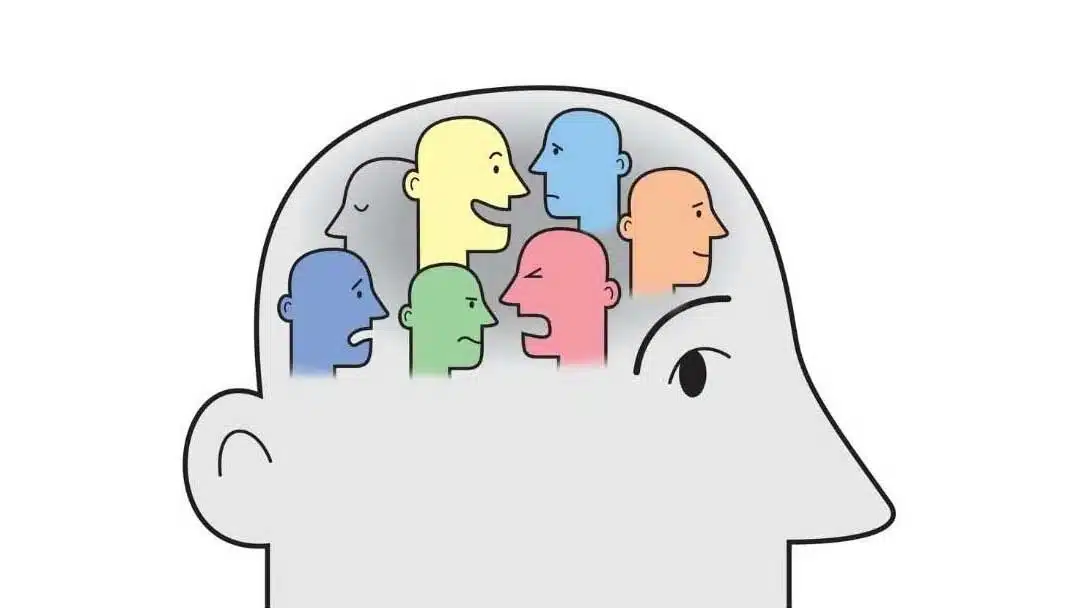
Internal Family Systems therapy is a gentle, evidence-based approach to emotional healing that understands the mind is made up of different “parts,” each with its own feelings, beliefs and role. Rather than seeing inner conflict, anxiety or self-criticism as problems to be fixed, IFS views them as meaningful responses that developed to keep us safe.
Psychology
What is Internal Family Systems?
Internal Family Systems therapy was developed by Dr Richard Schwartz. What began as a curious observation – that his clients often spoke about different “parts” of themselves – evolved into a comprehensive therapeutic model that has helped thousands of people heal from trauma, anxiety, depression and relationship difficulties.
Expanding Your Window of Tolerance
The window of tolerance, a term coined by psychiatrist Dan Siegel, describes the zone of nervous system arousal in which we can function well. Inside the window, we can think clearly, feel our feelings without being swamped by them, stay connected to other people and respond to life rather than just react to it.
Somatic Healing: Body-Based Emotional Healing
Somatic healing is based on the principle that trauma, stress and unprocessed emotions are stored within the body, which causesour nervous system to become dysregulated, anxious or disconnected. Somatic healing works directly with the body to release these stored experiences and restore balance to the nervous system.
Types of Anxiety Explained
Discover the main types of anxiety, including generalised anxiety, panic disorder, social anxiety, health anxiety, agoraphobia, separation anxiety, OCD and PTSD. Mapping your unique anxiety pattern provides some quick relief, but indentifying and resolving the underlying root cause of your anxiety provides the deep and lasting relief.
Therapy for Men: Breaking Barriers to Wellbeing
For generations, men have been taught a simple but damaging message that emotions are a sign of weakness, e.g. “Man up”, “Boys don’t cry” and “Just get on with it.” Discover how therapy for men can change these stereotypical beliefs, why more men are seeking support, and how therapy creates lasting change.